
Benoit Challand — 2026
Benoit Challand — 2026
Generative interactive installation
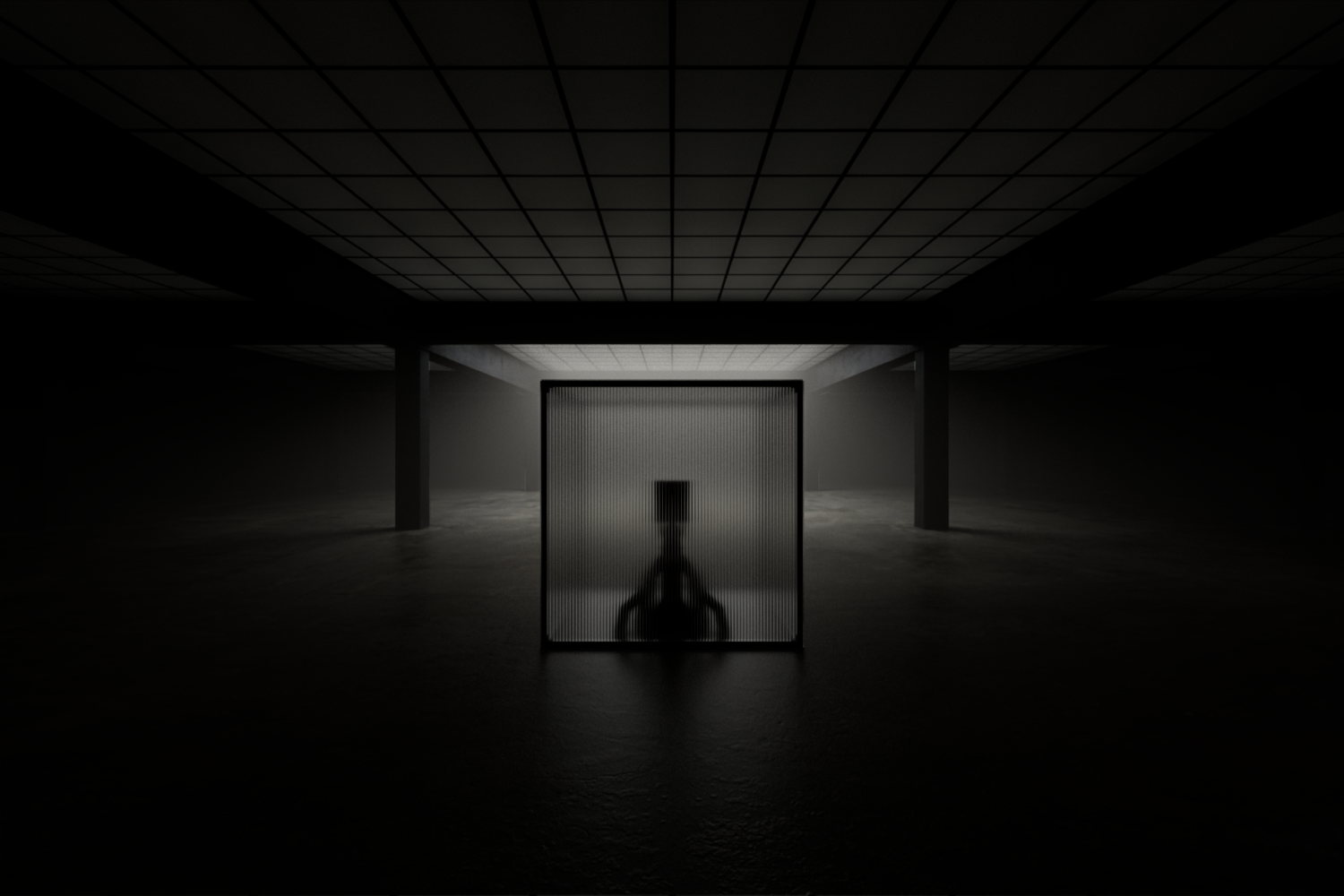
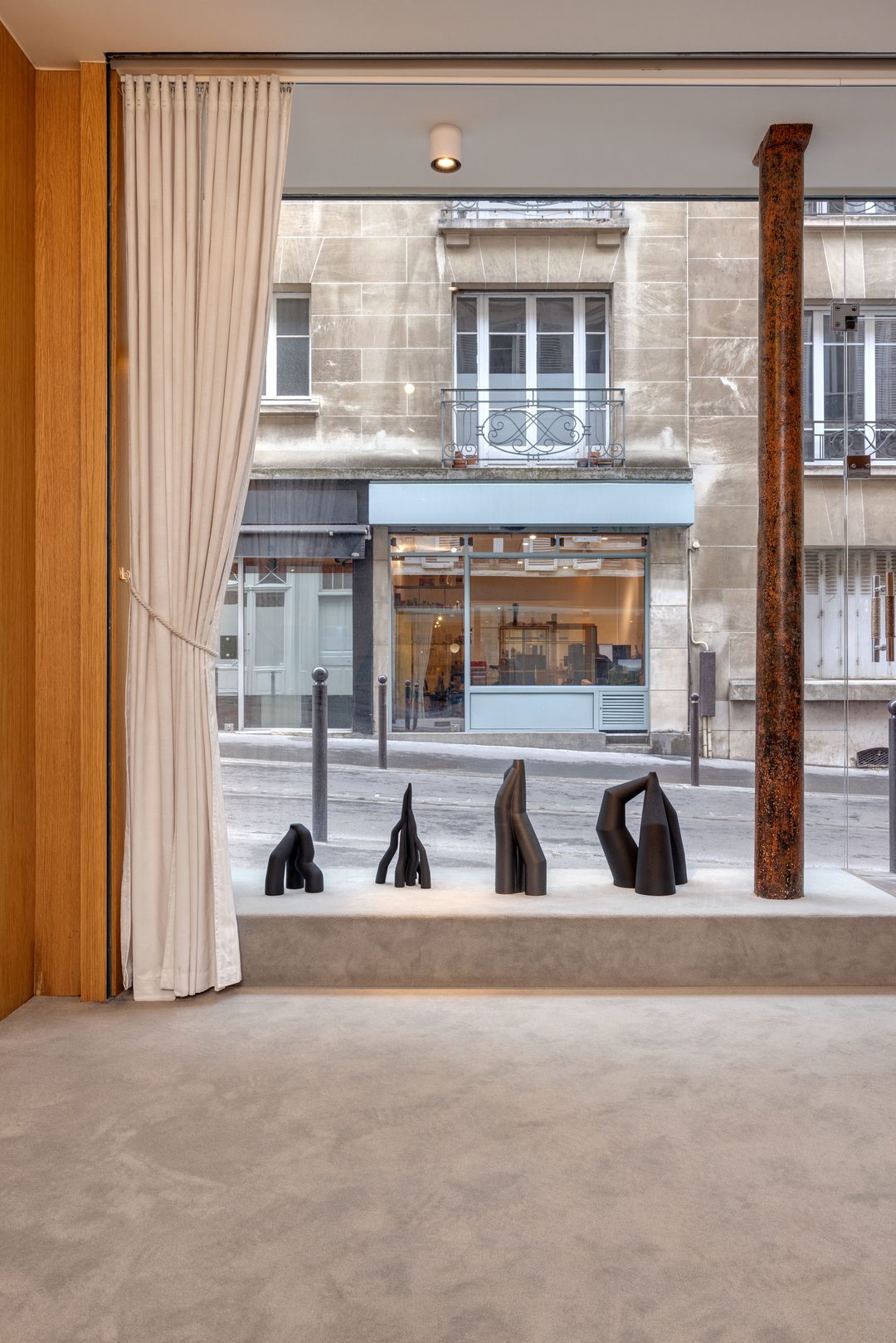
CONFESSIO is the second chapter of La Vorace, the series in which Benoit Challand builds a visual language of emotion, where every geometric parameter of a form answers to an affective component of speech. The project extends the exhibition held in Paris last March, which showed the first sculptures born of this system. This second stage goes further: it places the viewer at the heart of the process and lets them bring their own Vorace into being.
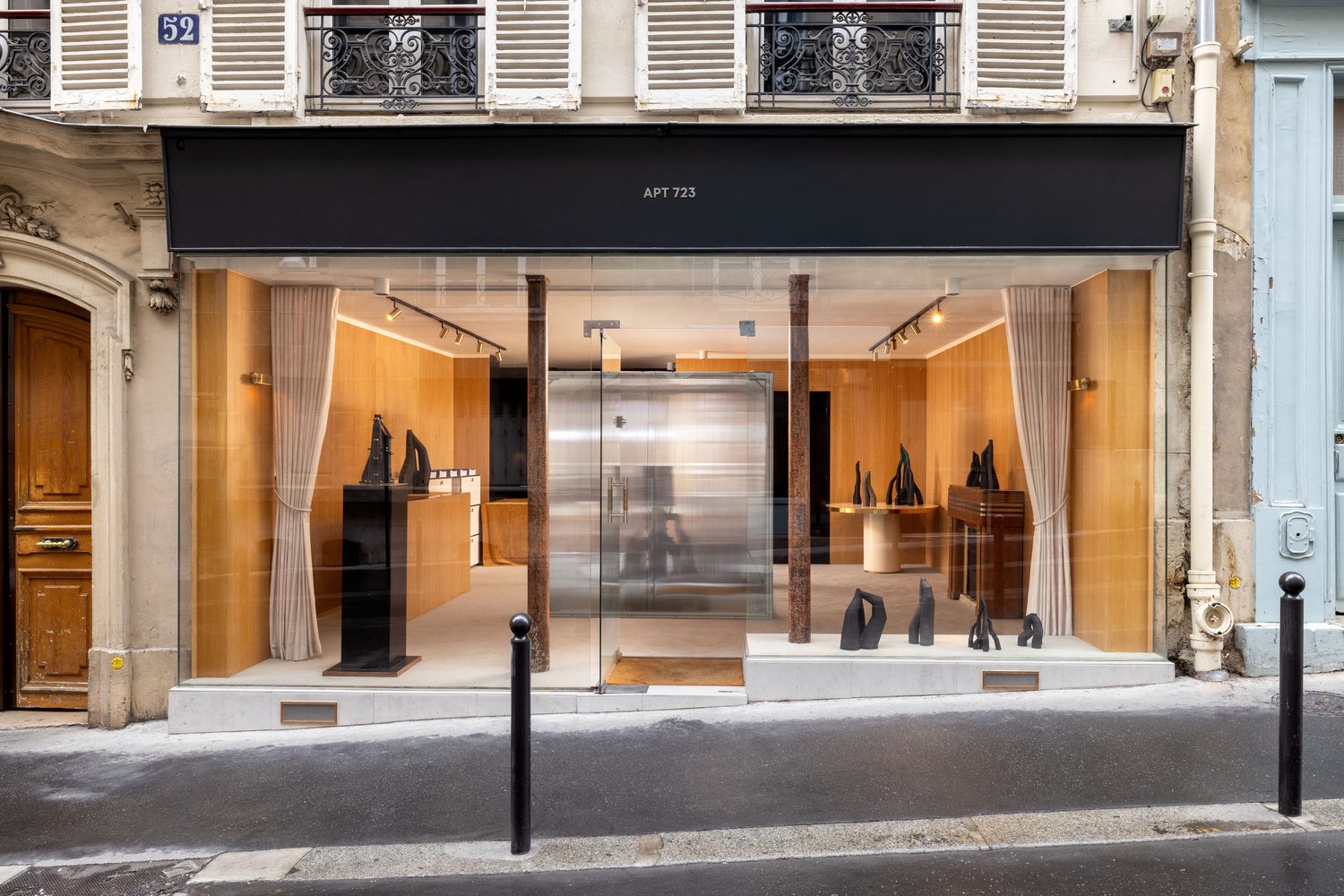
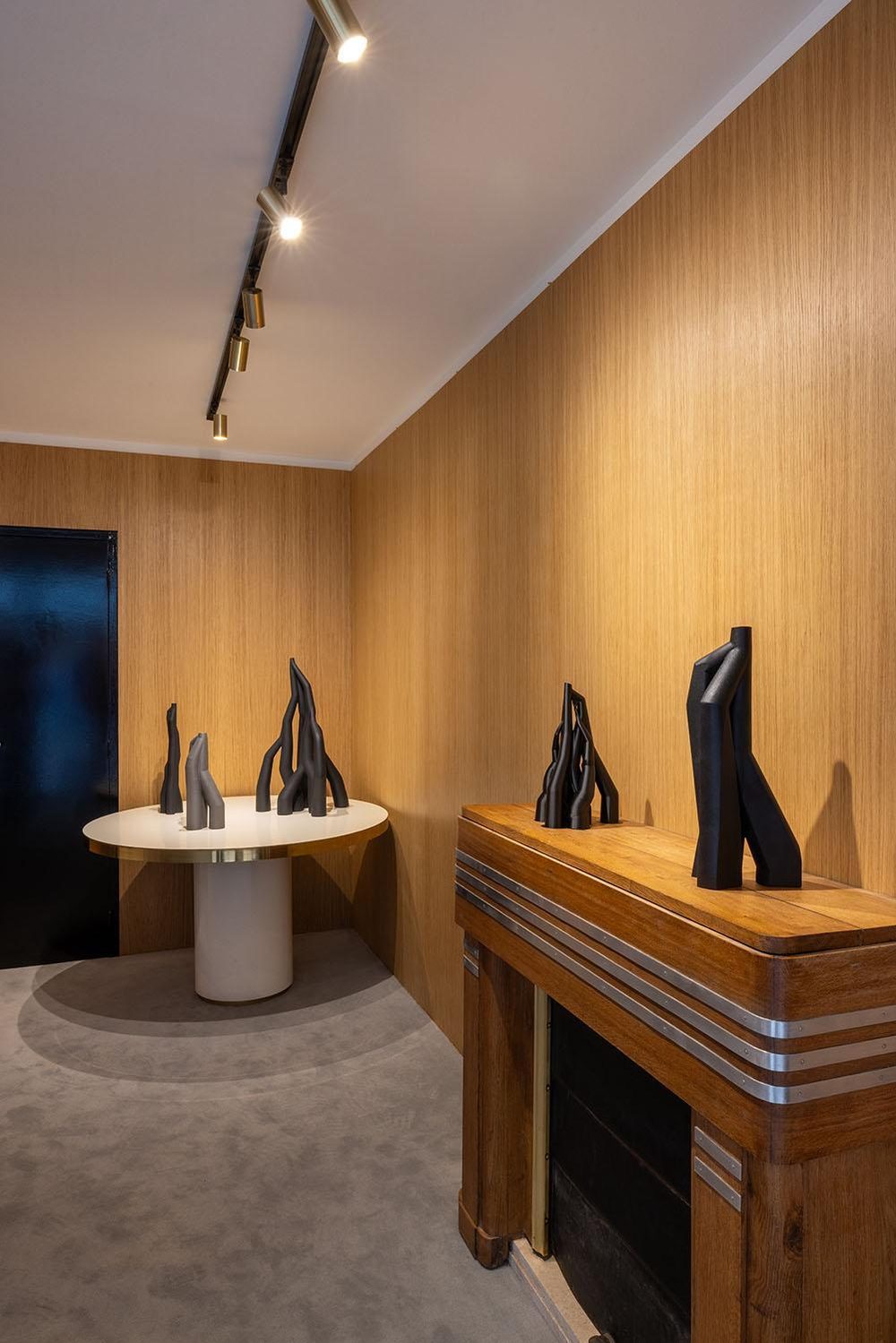
Exhibition view
The process
It all begins with speech. The visitor says aloud a confession, a secret, a memory charged with emotion.
The text is read against precise criteria: the intensity and polarity of the emotion, how secret the thing confided is, the sharpness of the memory, the people and objects it evokes. It is then passed to an artificial intelligence. The machine does not act freely: it follows rules set by the artist, which frame and steer its response. The confession is broken down into seven parameters, each scored from 0 to 100, and becomes a form generated in real time. That form belongs to the person who spoke and can never be reproduced identically. Each Vorace gives a singular vision of secrecy and emotion.
The physical installation
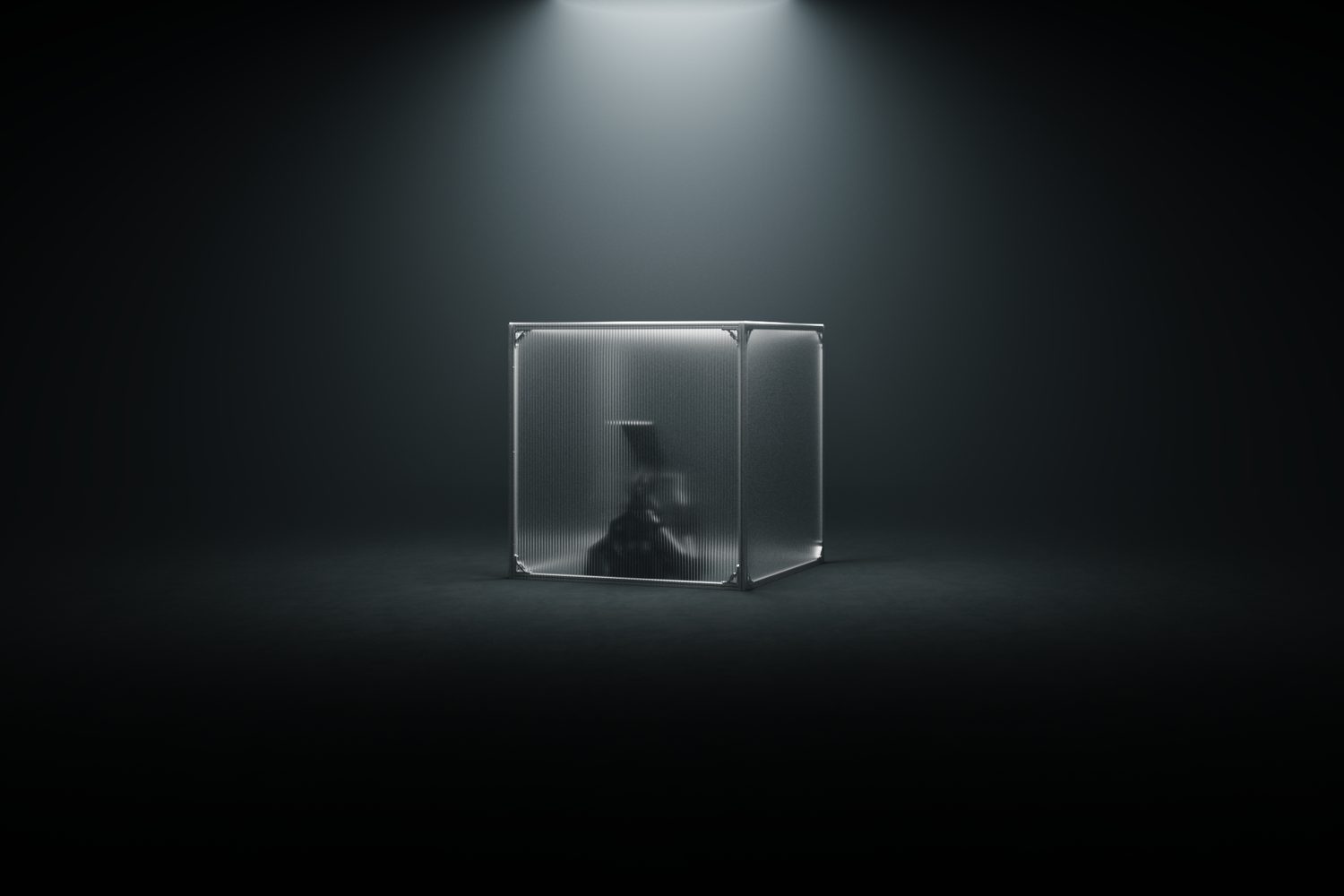
Confessio — 2 × 2 m cube
01 / 05
The cube
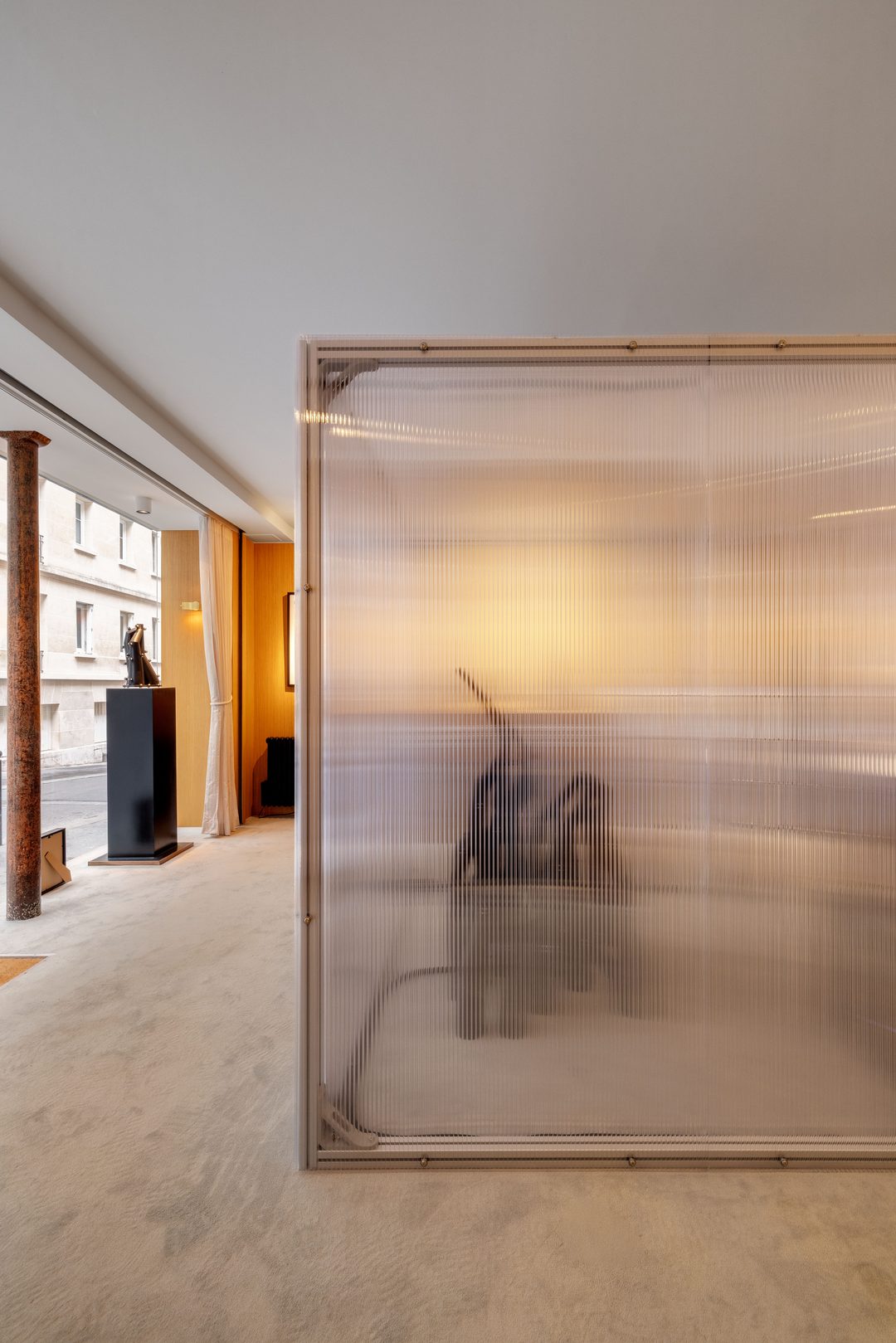
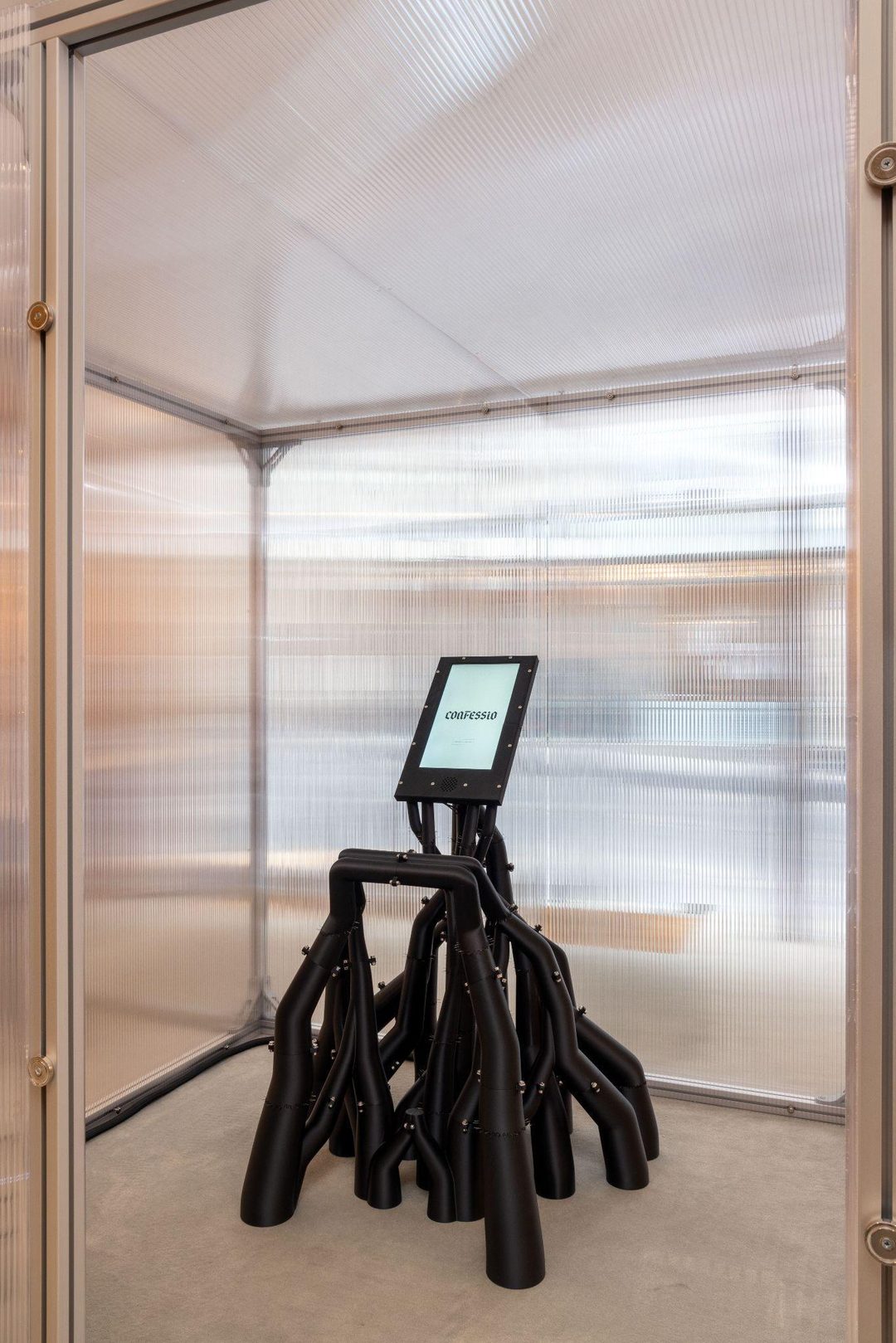
The installation takes the most intimate form of religious rite, the confessional, and entrusts it to a machine. At the centre of a 2 × 2 m cube of aluminium and semi-transparent polycarbonate panels stands a totem the visitor addresses. The structure never shows everything: a silhouette, a glow, a movement can be made out, but never the face or the words of the person speaking. Intimacy is protected by the very material of the installation.
02 / 05
From priest to machine
Not so long ago, we went to church to confess. Today, we confide in artificial intelligences. CONFESSIO questions this passage from priest to machine, from absolution to data. AI inherits the attributes of the sacred: it listens without judging, it is always available, it promises a form of understanding.
03 / 05
What remains
But it does not forgive: it records, analyses and returns. The work makes that operation visible by giving it a body. The secret disappears, only the form remains: a geometry whose content the visitor can no longer read, but whose silhouette they recognise as their own.
04 / 05
The sculpture
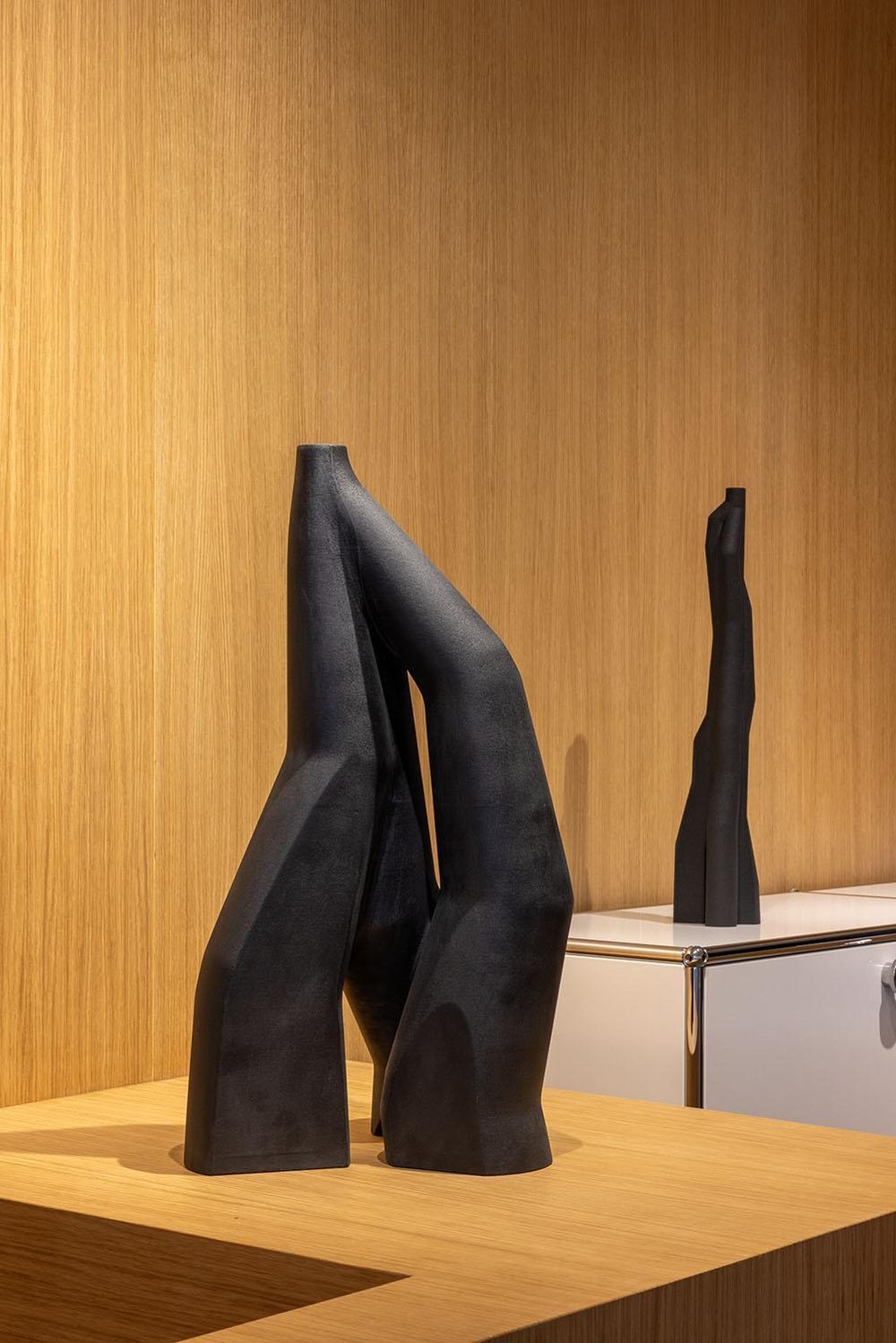
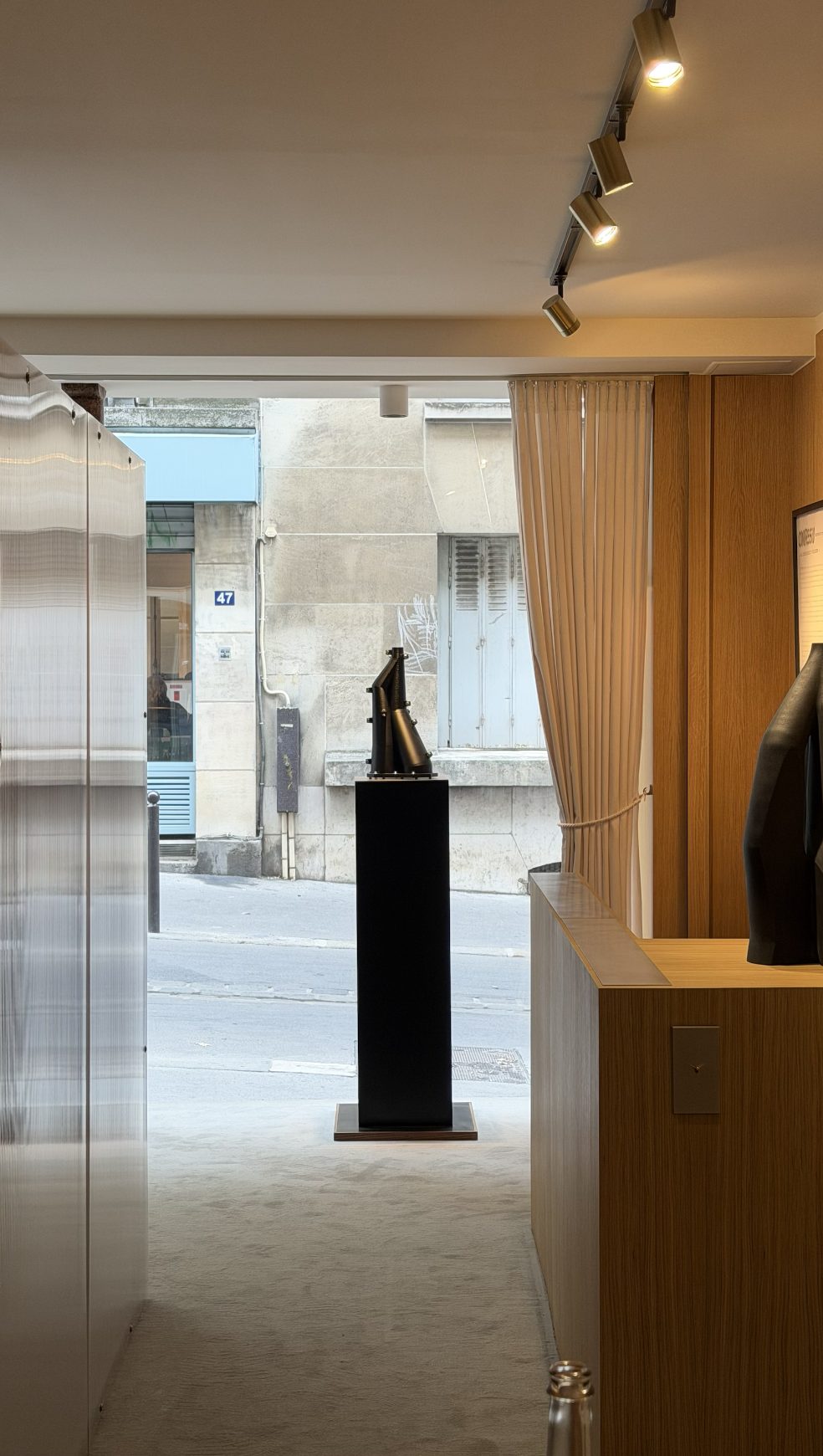
For every viewer who wishes it, the generated Vorace gives rise to a physical sculpture, made by the artist. The confession leaves the screen to become an object held in the hand. Mute to anyone who does not know its origin, it weaves an intimate, almost secret bond with the person who brought it into being: they alone know what the form contains.
05 / 05
The ex-voto
To seal the confession, the sculpture then gives rise to an ex-voto inscribed on the blockchain as an NFT: a certified trace of what was said without ever being read.